Maximizing Fuel Efficiency in Commercial Road Transport: Expert Tips and Strategies

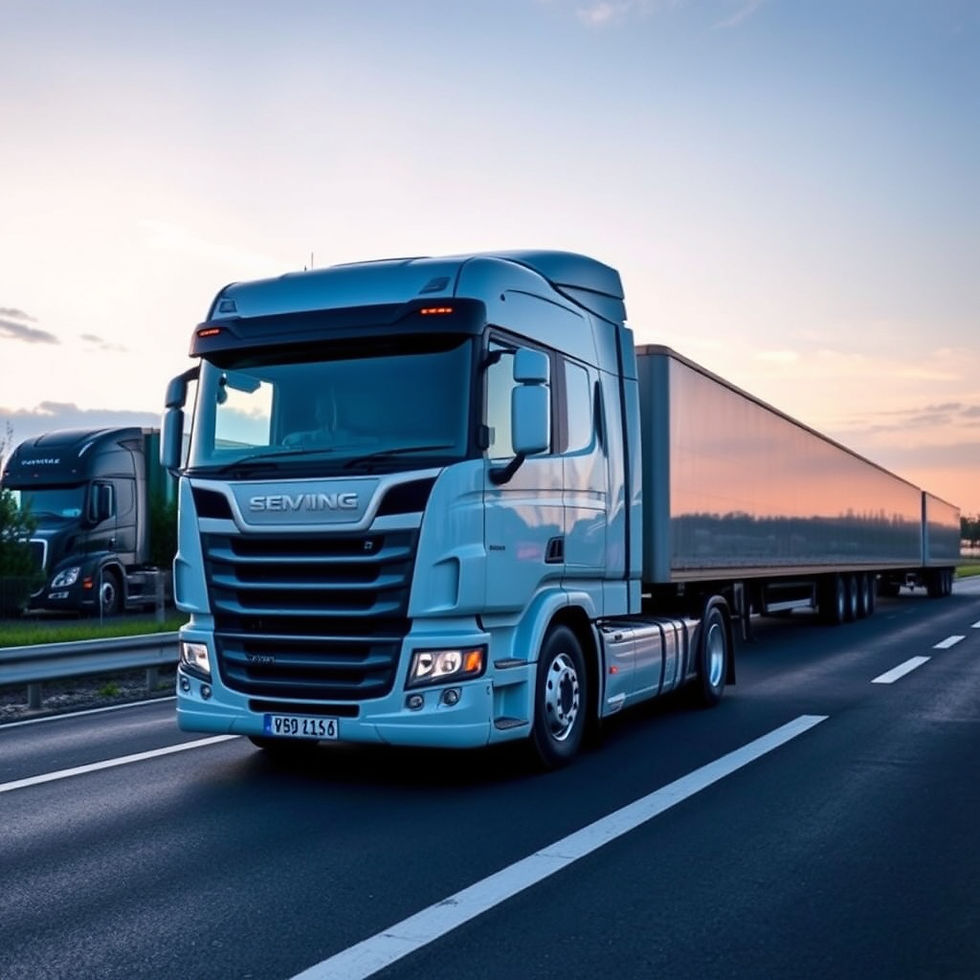
Fuel efficiency in commercial road transport is pivotal for companies aiming to maximize performance, reduce costs, and increase profits. This blog post provides expert advice and strategies to optimize fuel utilization in your fleet operations. From embracing innovative technologies to implementing greener practices to driver training, we'll discuss a comprehensive approach that can transform your fleet's fuel efficiency and sustainability profile.
Embracing Innovative Solutions to Boost Fuel Efficiency in Road TransportFuel efficiency is a fundamental factor in the profitability of commercial transport operations. Rising fuel costs and environmental concerns necessitate more efficient strategies for fuel utilization. Consequently, companies are harnessing innovative solutions such as telematics, lightweight materials, alternative fuels, and real-time diagnostics to drive a more fuel-efficient future in road transport.
Fuel Efficiency: Pioneering Technologies and Practices for the Modern FleetThe use of telematics and GPS tracking optimizes routes and monitors driving behaviors, thus reducing unnecessary fuel consumption. Aerodynamic modifications and lightweight vehicle components lessen drag and weight, improving fuel efficiency. Embracing alternative fuel options or hybrid/electric vehicles boosts sustainability. Lastly, regular maintenance ensures optimal engine performance, vital for efficient fuel use.
Fuel Economy Optimization: Strategies for Drivers and Fleet ManagersTraining drivers in eco-driving techniques can significantly lower fuel consumption. Smooth acceleration, minimization of idling, and efficient route planning to dodge congestion are some of the strategies drivers can adopt. Fleet managers can also manage vehicle loads effectively and use driver feedback to continuously improve driving practices.
Commercial Transport Sustainability: Building a Greener Future for LogisticsIntegrating sustainable practices into fleet management programs is an essential step towards achieving commercial transport sustainability. This can involve transitioning to cleaner energy sources, green logistics initiatives, and collaborating with suppliers committed to environmental responsibility. Measuring and reporting carbon footprint also provides valuable data to track company's sustainability progress.
Vehicle Performance Enhancement: Maintaining a Fleet that Runs More Fuel-EfficientlyRoutine engine tune-ups, replacing worn-out components, ensuring optimal tire pressure, and selecting fuel-efficient tires ensures vehicle performance enhancement. Upgrading to modern, fuel-efficient vehicles or technologies further enhances fleet performance. Telematics data can be used to identify and rectify performance issues promptly.
Combining Strategies for Lasting Fuel Efficiency ImprovementsTo maximize fuel efficiency in commercial transport, an integrated approach is crucial. This involves combining technologies, driver strategies, sustainability initiatives, and vehicle performance improvements. Adopting such an approach ensures continuous improvements in fuel efficiency. For more solutions on sustainable transport, consider exploring https://www.logichainge.com/news-events.
Questions and AnswersQ: What is the impact of rising fuel costs on the commercial transport industry?A: Rising fuel costs can significantly increase operational costs, negatively impacting profitability in the commercial transport industry. Implementing fuel efficiency strategies can help mitigate these impacts.
Q: How can telemetry data improve fuel efficiency?A: Telemetrics provides real-time, actionable data that can be used to monitor driving behavior, optimize routes, manage vehicle load, and identify vehicle performance issues, leading to improved fuel efficiency.
Q: What are some sustainable practices that can be integrated into fleet management programs?A: Sustainable practices may include using alternative or cleaner energy sources, implementing green logistics initiatives, working with suppliers committed to environmental responsibility, and tracking carbon footprint.
Important KeywordsFuel efficiency, commercial road transport, telematics, GPS tracking, aerodynamic modifications, lightweight vehicle components, alternative fuels, hybrid/electric vehicles, real-time diagnostics, eco-driving techniques, green logistics, sustainability, fuel-efficient tires, modern vehicles, technology.


Comments